
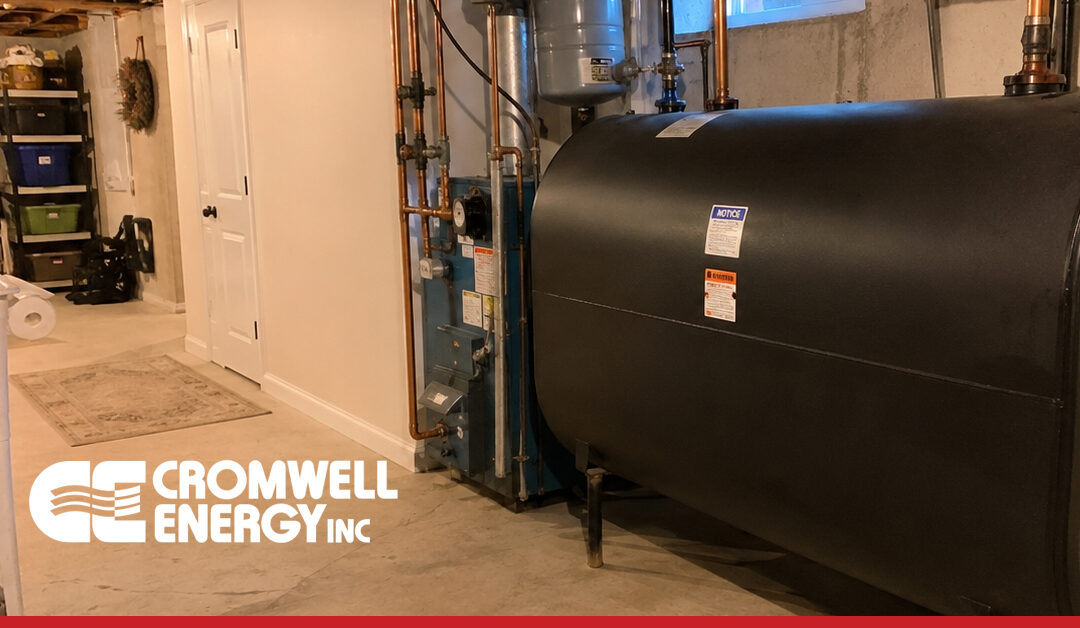
For many Connecticut homeowners, a basement oil tank is simply part of the home – something tucked away in the corner that quietly stores fuel year after year. But like any major home system component, oil tanks do not last forever.
Understanding the average lifespan of a basement oil tank – and recognizing the warning signs of deterioration – can help homeowners avoid expensive leaks, heating interruptions, and emergency replacements during the middle of winter.
At Cromwell Energy, we help Connecticut homeowners monitor, maintain, and replace aging oil tanks before small issues become major problems. Here’s what homeowners throughout New England should know about oil tank life expectancy and when it may be time to consider a replacement.
How Long Does a Basement Oil Tank Typically Last?
In general, most aboveground basement oil tanks in New England last approximately 15 to 20 years.
However, there is no exact expiration date for an oil tank. Some tanks may begin showing problems earlier, while others can last well beyond 20 years if they’ve been properly maintained and installed in ideal conditions.
Several factors influence how long an oil tank will last, including:
- Tank material and construction
- Basement humidity and moisture levels
- Tank installation quality
- Maintenance history
- Sludge buildup inside the tank
- Exposure to rust and corrosion
- Fuel quality
- Environmental conditions
In Connecticut and throughout New England, fluctuating temperatures, damp basements, and long heating seasons can accelerate wear over time.
Why Basement Oil Tanks Often Last Longer Than Outdoor Tanks
Basement oil tanks generally last longer than outdoor tanks because they are protected from direct exposure to snow, rain, freezing temperatures, and harsh weather conditions.
Outdoor tanks are constantly exposed to:
- Moisture
- Ice and snow
- Temperature swings
- UV exposure
- Condensation
Because basement tanks are stored in a more controlled environment, they often experience slower corrosion and deterioration.
That said, indoor tanks are still vulnerable to internal rust, sludge accumulation, and aging components – especially once they approach the 15-year mark.
What Causes Oil Tanks to Fail?
The biggest threat to most steel oil tanks is corrosion.
Over time, condensation and moisture can develop inside the tank, causing rust to form from the inside out. Sludge and sediment buildup can also trap moisture and contribute to deterioration.
Because internal corrosion often develops before visible exterior damage appears, homeowners may not realize there’s a problem until warning signs become more noticeable.
Eventually, corrosion can lead to:
- Pinhole leaks
- Structural weakening
- Fuel line damage
- Sludge contamination
- Tank instability
- Environmental spills
Unfortunately, a leaking oil tank can become extremely expensive due to fuel loss, cleanup costs, and environmental remediation requirements.
Signs It May Be Time to Replace Your Oil Tank
Even if your tank has not started leaking, there are several warning signs that may indicate replacement should be considered.
As discussed in our oil tank replacement guide, homeowners should watch for the following issues:
- Rust or Corrosion. Visible rust on the exterior of the tank may indicate more advanced corrosion occurring inside the tank itself. Bubbling paint, discoloration, or corrosion around seams and fittings should never be ignored.
- Damp Spots or Oil Odors. Any wetness, staining, or oil smell near the tank could indicate a developing leak. Even a very small leak can become a serious environmental and safety concern over time.
- Sludge Buildup. Excessive sludge accumulation can reduce heating system efficiency and may indicate internal corrosion inside the tank.
- Damaged or Aging Fuel Lines. Cracked, brittle, or corroded oil lines may signal broader system wear and increase the risk of leaks.
- Faulty Vent Alarm or Fuel Gauge. Problems with the vent whistle or fuel gauge may indicate aging tank components and should be professionally inspected.
- Physical Damage or Instability. Dents, unstable tank legs, or shifting can compromise the structural integrity of the tank.
- Advanced Age. Even if your tank appears functional, tanks approaching or exceeding 20 years old should be closely monitored and professionally evaluated.
Why Proactive Replacement Matters
One of the biggest mistakes homeowners make is waiting until a tank leaks before replacing it. A failed oil tank can result in:
- Expensive emergency replacement costs
- Basement contamination
- Soil remediation
- Property damage
- Heating interruptions during winter
- Insurance complications
The Connecticut Department of Energy & Environmental Protection (DEEP) recommends replacing tanks before leaks occur whenever possible.
Proactively replacing an aging tank is often far less expensive and stressful than dealing with an emergency spill situation.
Modern Oil Tanks Offer Improved Protection
Today’s oil tanks are designed with improved materials and corrosion resistance compared to many older tanks still operating in New England homes.
Modern replacement options may include:
- Double-wall tank systems
- Corrosion-resistant coatings
- Polyethylene inner tanks
- Improved leak protection
- Enhanced safety features
Newer tanks can also provide greater peace of mind for homeowners planning to stay in their homes long-term.
The Importance of Annual Inspections
Even if your tank appears to be in good condition, annual inspections remain extremely important. Routine inspections can help identify:
- Early corrosion
- Weak spots
- Fuel line issues
- Sludge accumulation
- Venting problems
- Potential leaks
Catching these problems early can extend the life of your system and help homeowners plan for replacement before a failure occurs.
Protecting Your Home Starts with Monitoring Your Oil Tank
Your basement oil tank plays a critical role in keeping your Connecticut home warm throughout the winter. While many tanks can last 15 to 20 years or longer, aging tanks should never be ignored.
By staying proactive with inspections, maintenance, and replacement planning, homeowners can avoid costly surprises and protect both their home and heating system.
At Cromwell Energy, we provide professional oil tank inspections, oil tank replacements, and reliable heating oil services for homeowners throughout Connecticut. If you have questions about the age or condition of your oil tank, our team is here to help you evaluate your options and keep your home safe and comfortable year-round. Contact us today!