
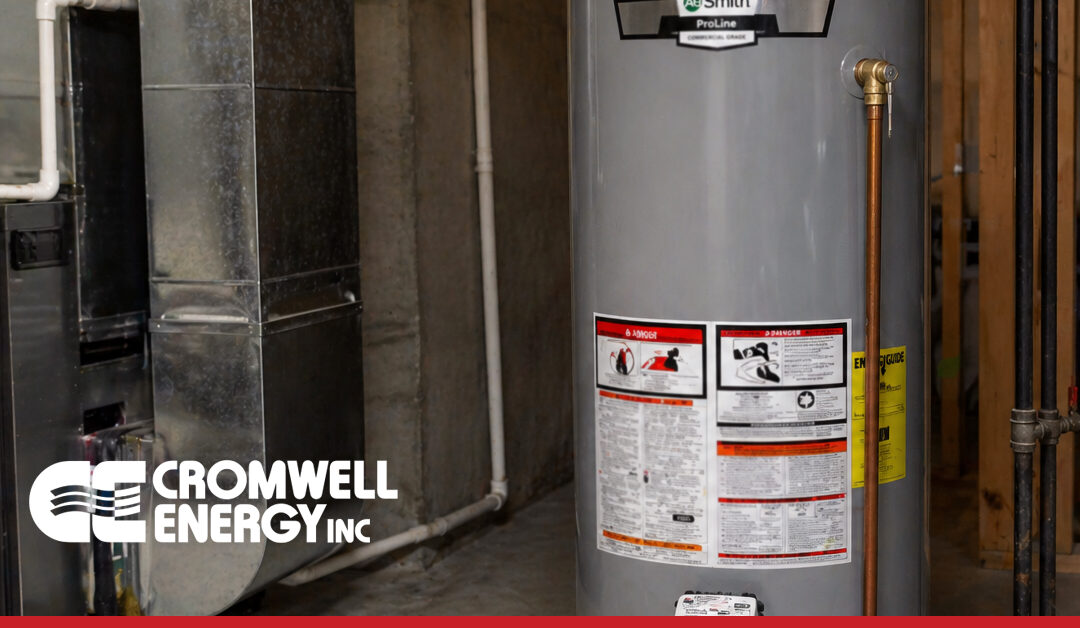
Homeowners often hear the terms water heater and boiler used interchangeably. Because both appliances heat water, it’s easy to assume they serve the same purpose. In reality, they perform very different roles in your home’s comfort and plumbing systems.
Understanding the difference can help you better maintain your equipment, troubleshoot issues, and make informed decisions when it’s time for repairs or replacement.
Below, we’ll explain how these two systems work – and why your home may have one, the other, or both.
Why the Confusion?
At first glance, water heaters and boilers appear similar. Both are appliances that heat water and are usually located in basements, utility rooms, or mechanical closets.
However, the key distinction lies in what that heated water is used for.
- Water heaters supply hot water for everyday household activities.
- Boilers provide heat for the home through a heating system such as radiators or radiant floors.
While both involve heating water, they serve different systems within your home.
What is a Water Heater?
A water heater is designed to produce hot water for domestic use, meaning the water that flows from your faucets and appliances.
This hot water is used for activities such as:
- Showering and bathing
- Washing dishes
- Laundry
- Cleaning and sanitation
Most traditional water heaters store hot water in a tank until it’s needed, while tankless models heat water on demand as it flows through the unit.
Common Types of Water Heaters
- Tank Water Heaters – Store and maintain hot water in a tank
- Tankless Water Heaters – Heat water instantly as it passes through the system
- Electric Water Heaters – Use electric heating elements
- Gas Water Heaters – Use natural gas or propane burners
In short, if the hot water is coming from your kitchen sink or shower, it likely comes from a water heater.
What is a Boiler?
A boiler, on the other hand, is primarily a home heating system.
Instead of supplying water for daily household use, boilers heat water and send it through a network of pipes to distribute heat throughout the home. This heated water (or steam) travels to components such as:
- Radiators
- Baseboard heaters
- Radiant floor systems
- Hydronic heating systems
Once the water releases heat into the room, it returns to the boiler to be reheated and circulated again.
Boilers are common in many homes across the Northeast. including Connecticut. because hydronic heating systems provide consistent, comfortable heat during cold winters.
Key Differences Between a Water Heater and a Boiler
Here’s a simple comparison to help clarify the difference:
| Feature | Water Heater | Boiler |
| Primary Purpose | Provides hot water for household use | Heats the home |
| Water Use | Potable water for faucets and appliances | Water used to circulate heat through pipes |
| System Type | Plumbing system | Home heating system |
| Distribution | Sends hot water to sinks, showers, and appliances | Sends hot water or steam to radiators or floor heating |
| Storage | Often stores hot water in a tank | Usually heats water as it circulates through the system |
Simply put: water heaters heat water for people, while boilers heat water for buildings.
Can a Boiler Also Provide Hot Water?
In some homes, a boiler can also contribute to domestic hot water production through what’s called an indirect water heater.
In this setup, the boiler heats water that transfers heat to a separate storage tank for household use. However, this system still relies on additional equipment and is different from a standard standalone water heater.
Do Homes Have Both?
Yes – many homes have both a boiler and a water heater. For example:
- A boiler may heat the home through radiators or radiant floors.
- A water heater supplies hot water for showers, sinks, and appliances.
In homes with furnaces or heat pumps instead of boilers, the water heater typically serves as the only water-heating appliance.
Maintaining Your Heating Systems
Whether your home has a water heater, a boiler, or both, regular maintenance is essential for safety, efficiency, and longevity. Professional service can help:
- Improve energy efficiency
- Prevent unexpected breakdowns
- Extend the lifespan of your equipment
- Ensure safe operation during Connecticut winters
Annual inspections are especially important for boilers and fuel-powered water heaters.
Understanding the difference between a water heater and a boiler is the first step toward keeping your home comfortable and energy-efficient. While they may look similar, they serve distinct roles in your home’s plumbing and heating systems.
If you’re unsure which system your home uses – or if you need maintenance, repair, or replacement – Cromwell Energy is here to help. Our experienced technicians provide expert heating and hot water services for homeowners throughout Cromwell and surrounding Connecticut communities.
Contact Cromwell Energy today to schedule service and keep your home’s heating systems running smoothly all year long.