
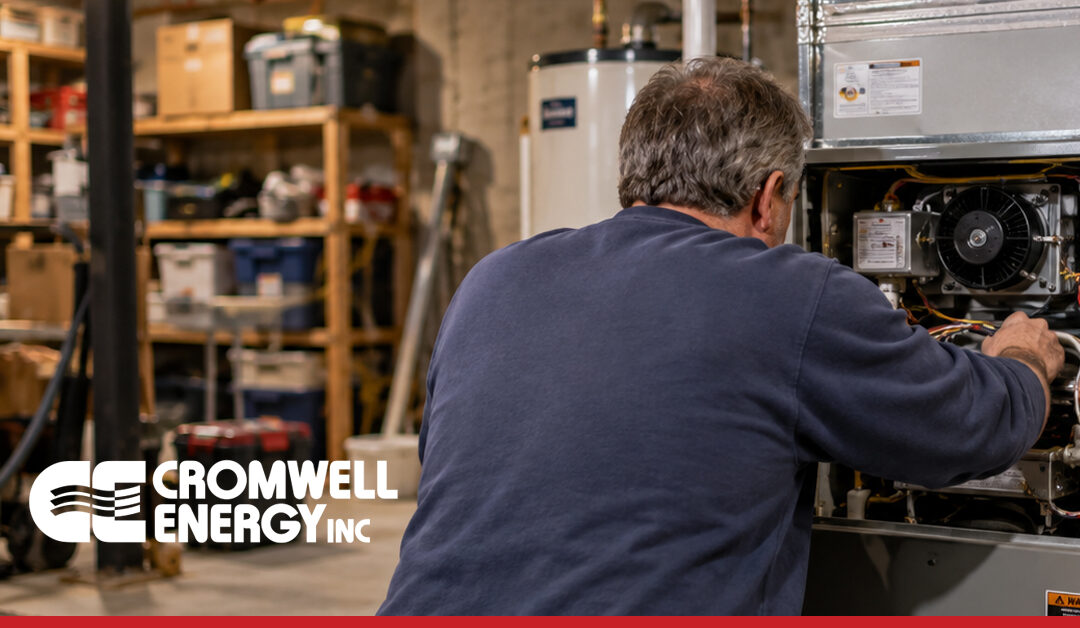
Connecticut winters can put a heating system to the test. Freezing temperatures, snowstorms, ice and long stretches of cold weather can force a furnace or boiler to run for hours at a time. Taking care of a few heating-system maintenance tasks during the fall can help reduce the risk of breakdowns, improve efficiency and make sure your home is ready when temperatures drop.
Whether your Connecticut home relies on heating oil, natural gas, a furnace, a boiler or another heating system, preparation should begin before the first truly cold night arrives. Annual professional maintenance is one of the most important steps, but homeowners can also check their fuel supply, thermostat, filters, vents, carbon monoxide detectors and other components themselves.
Here is a comprehensive fall checklist to help prepare your home and heating system for another New England winter.
Quick Highlights
- Schedule an annual heating system tune-up before winter so a licensed HVAC technician can inspect, clean and test your equipment.
- Check your heating oil or other fuel supply early rather than waiting until the first extended cold spell.
- Test your thermostat and heating system during the fall to make sure the system starts, heats properly and responds to thermostat changes.
- Replace dirty furnace or HVAC filters to maintain proper airflow and reduce unnecessary strain on the system.
- Check radiators, registers and vents and remove furniture, rugs or other objects that could block heat.
- Have chimneys, flues and exhaust components inspected when appropriate and keep exterior exhaust vents free of snow, ice and debris.
- Test carbon monoxide detectors and replace batteries or detectors when necessary.
- Keep outdoor heating-oil fill and vent pipes accessible, especially before and after a Connecticut snowstorm.
1. Schedule Your Annual Heating System Tune-Up
The best place to start your fall heating checklist is with professional preventive maintenance.
Heating equipment works hard during a Connecticut winter. An annual tune-up allows a qualified HVAC technician to identify worn parts, combustion problems, leaks or other issues before they become a no-heat emergency in January.
A professional inspection can also help make sure your system is operating efficiently. Industry guidance recommends having furnaces and boilers checked annually, ideally before the heating season begins.
For oil heating customers, Cromwell Energy’s annual tune-up includes tasks such as replacing the oil filter cartridge, burner nozzle and fuel pump strainer; checking electrodes and controls; inspecting the combustion chamber; cleaning flue passages; and performing a combustion efficiency test.
Scheduling maintenance in early fall also provides more time to address a repair or replacement if your technician discovers a problem.
Don’t Wait for the First Cold Snap
Waiting until your heating system stops working can turn routine maintenance into an emergency repair. Running the system briefly during the fall also gives you an opportunity to identify unusual sounds, odors, short cycling or other warning signs before you depend on the system every day.
2. Check Your Heating Fuel Supply
If your home uses heating oil, check your tank level before winter weather arrives.
Running out of heating oil on a mild October afternoon is inconvenient. Running out during a January cold snap can create a much more serious situation, particularly when freezing temperatures put plumbing and other parts of the home at risk.
Connecticut emergency-management guidance recommends making sure you have enough heating oil before a winter storm.
If you order fuel on a will-call basis, get into the habit of monitoring your tank regularly. Some homeowners may also prefer automatic heating oil delivery, which can make it easier to maintain an adequate supply throughout the heating season.
Fall is also a good time to look over the visible portions of your heating oil tank for corrosion, staining, drips or other signs of deterioration. If you notice something concerning, do not attempt to repair the tank yourself. Contact a qualified heating oil professional.
3. Test Your Thermostat Before You Need It
One of the simplest fall maintenance steps is turning on the heat before it becomes necessary.
Switch your thermostat into heating mode, raise the temperature several degrees above the current room temperature and make sure the heating equipment starts normally. Check whether warm air reaches your registers or whether your radiators begin heating as expected.
Testing your thermostat in advance can reveal communication or control problems while you still have time to schedule service.
While you’re checking the thermostat:
- Replace batteries if your model uses them.
- Confirm the displayed temperature seems accurate.
- Review programmed heating schedules.
- Make sure the thermostat is not being blocked by furniture or other objects.
- Consider adjusting your schedule for periods when the house is normally empty or everyone is asleep.
If the heating system does not start, repeatedly turns on and off, or fails to reach the temperature you have selected, schedule service rather than assuming the problem will correct itself.
4. Replace or Inspect Your Air Filter
If you have a forced-air furnace or heat pump, check the system’s air filter before the start of heating season.
Dust, pet hair and other debris gradually accumulate in filters. When a filter becomes excessively dirty, airflow can become restricted, forcing the heating equipment to work harder to circulate warm air through the house.
Replacing a dirty filter can help support proper airflow and heating-system performance. HVAC professionals commonly recommend making filter inspection part of regular preventive maintenance.
How frequently your filter needs replacement depends on factors such as:
- The type and thickness of filter
- Manufacturer recommendations
- Pets in the home
- Household dust levels
- Indoor air-quality concerns
- How frequently the system operates
When replacing a filter yourself, make sure you purchase the correct size and install it in the proper airflow direction. If you are unsure which filter your equipment requires, ask your HVAC technician during your annual tune-up.
5. Inspect Radiators, Registers and Heating Vents
Even a properly functioning heating system may struggle to keep a room comfortable if its heat source is blocked.
Walk through the house and make sure furniture, curtains, rugs, storage boxes and other belongings are not obstructing supply registers, return-air grilles, radiators or baseboard heating.
Blocked vents can interfere with airflow and prevent heat from being distributed effectively.
For homes with radiators or hydronic baseboards, look for obvious signs of leaks or corrosion. If one radiator consistently stays cold while the rest of the house heats normally, that may indicate trapped air, a valve issue or another system problem that deserves professional attention.
You should also vacuum accessible dust and debris around registers and baseboards so that the system begins the heating season clean and unobstructed.
6. Check Your Chimney, Flue and Exhaust System
Fuel-burning heating systems must vent combustion gases safely outside the home.
Depending on your equipment, this may happen through a chimney, flue or sidewall exhaust vent. Problems such as deterioration, improper connections or blockages can potentially interfere with safe venting.
The Connecticut Department of Consumer Protection has specifically encouraged homeowners to have chimneys and chimney liners inspected when there are concerns about their condition or installation, noting that improperly connected chimney liners may create carbon monoxide risks.
Your heating-system tune-up should include appropriate inspection of combustion and venting components. For example, Cromwell Energy’s oil heat tune-up includes inspection of the combustion chamber and cleaning of boiler or furnace flue passages and the flue pipe.
Remember Exterior Exhaust Vents After Snowstorms
Some modern heating systems vent through the side of the home rather than through a traditional chimney. These openings can become covered by drifting snow.
Connecticut safety officials warn that blocked furnace intake or exhaust vents can interfere with combustion and may allow carbon monoxide to accumulate inside a home. Homeowners should keep these areas clear of snow and ice throughout the winter.
7. Test Your Carbon Monoxide Detectors
Carbon monoxide safety deserves particular attention as heating season begins.
Carbon monoxide is a colorless, odorless gas produced when fuels such as heating oil, natural gas, propane, gasoline, wood and kerosene do not burn completely. Connecticut’s Department of Public Health recommends having heating systems serviced and maintaining working carbon monoxide detectors in the home.
Before winter:
- Test each carbon monoxide alarm.
- Replace batteries when necessary.
- Check the manufacturer’s recommended replacement date for the detector itself.
- Make sure alarms have not been removed, unplugged or covered.
Smoke alarms should be checked at the same time.
If a carbon monoxide alarm sounds, take it seriously. Leave the home, get to fresh air and follow appropriate emergency guidance rather than simply resetting the alarm.
8. Keep Your Heating Oil Fill and Vent Pipes Accessible
For Connecticut homeowners who receive heating oil deliveries, outdoor accessibility becomes especially important once snow begins accumulating.
The Connecticut Department of Energy and Environmental Protection recommends keeping the fill pipe easily accessible to delivery personnel and keeping the vent line free of snow, ice, insect nests and other obstructions.
Before winter arrives:
- Locate your home’s oil fill and vent pipes.
- Trim back shrubs or vegetation if necessary.
- Make sure the fill location can be easily identified.
- Clear clutter from nearby walkways.
- Make sure delivery personnel can safely reach the area.
After a snowstorm, clear a safe path to the fill pipe and remove accumulated snow around it. Connecticut emergency-management guidance has also recommended clearly marking heating-oil fill pipes and keeping them accessible from the street during heavy snow.
Maintaining clear access does more than make delivery easier—it helps drivers safely deliver the fuel your home needs during some of the coldest conditions of the year.
Your Connecticut Fall Heating System Checklist
Before temperatures fall, take a few minutes to work through this list:
- Schedule an annual heating-system tune-up. Call early to avoid the fall rush.
- Complete recommended repairs before winter.
- Check your heating-oil or other fuel supply.
- Inspect the visible condition of your oil tank.
- Turn on your heating system and confirm that it operates normally.
- Test your thermostat and replace its batteries if needed.
- Inspect or replace your furnace/HVAC air filter.
- Remove furniture and other obstructions from vents, registers and radiators.
- Check radiators and baseboards for leaks or other problems.
- Have applicable chimney, flue and exhaust components inspected.
- Locate exterior intake and exhaust vents and keep them clear throughout winter.
- Test carbon monoxide and smoke detectors.
- Locate your heating-oil fill and vent pipes.
- Make sure delivery personnel have clear access to the fill pipe.
- Keep fill pipes, vent lines and delivery paths free of snow and ice.
- Consider replacement if your system is inefficient, in poor condition, or past its’ life expectancy.
A Little Fall Preparation Can Prevent Winter Problems
Heating-system maintenance is much easier to address on a comfortable fall day than during a freezing Connecticut night.
An annual tune-up, adequate fuel supply, clean filters, working thermostat and proper ventilation can all help reduce the likelihood of an unexpected heating problem when your home needs heat the most. Regular preventive maintenance can also identify developing issues before they turn into larger repairs.
Get Your Heating System Ready for Winter with Cromwell Energy
Cromwell Energy has provided heating, air conditioning and home heating oil delivery services to homeowners throughout Middlesex and Hartford Counties since 1984. The company installs and maintains boilers, burners, furnaces and other residential heating equipment and offers annual heating maintenance plans to help Connecticut homeowners prepare for the heating season.
Don’t wait until Connecticut’s first major cold snap to find out whether your heating system is ready. Contact Cromwell Energy today to schedule your annual heating-system tune-up, request heating service or learn more about home heating oil delivery.