
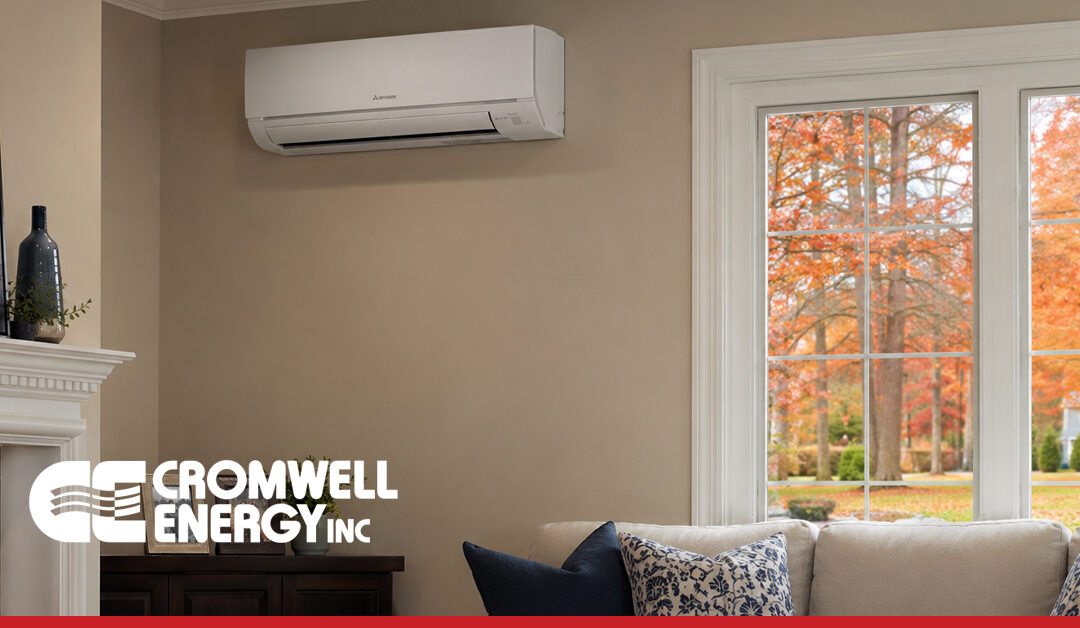
Connecticut homeowners are increasingly interested in heat pumps – but that does not necessarily mean they need to abandon their dependable oil heating systems.
For many homes, the most practical solution is a hybrid heating approach that uses a ductless or ducted heat pump during milder weather and an oil-fired boiler or furnace when temperatures become colder. This combination allows each system to operate when it is most effective, giving homeowners flexible comfort throughout Connecticut’s changing seasons.
Quick Highlights
- A hybrid heating setup combines an electric heat pump with an oil boiler or furnace.
- The heat pump can efficiently heat the home during fall, spring and milder winter weather.
- The oil heating system remains available to provide strong, dependable heat during colder conditions.
- Both ductless mini-splits and centrally ducted heat pumps may be incorporated into a hybrid strategy.
- Heat pumps also provide air conditioning and humidity control during the summer.
- The ideal changeover temperature depends on the equipment, the home and current energy costs.
- Professional sizing, installation and system controls are essential for reliable performance.
What Is a Hybrid Heating System?
A hybrid heating system uses two different sources of heat rather than relying on a single piece of equipment throughout the entire winter.
In a Connecticut home with oil heat, the system may include:
- An oil-fired boiler that circulates hot water through baseboards or radiators
- An oil furnace that distributes warm air through ductwork
- One or more ductless mini-split heat pumps
- A centrally ducted heat pump connected to an air handler
During relatively mild weather, the heat pump provides the home’s heating. When outdoor conditions become colder – or when the heat pump can no longer satisfy the home’s full heating demand – the oil boiler or furnace takes over or provides supplemental heat.
Hybrid systems are designed to use each heating source under the conditions where it performs best. Heat pumps generally operate efficiently during moderate temperatures, while an oil-fired system can deliver powerful heat during Connecticut’s coldest conditions.
How Does a Heat Pump Heat Your Home?
Unlike a furnace or boiler, a heat pump does not create heat by burning fuel. It uses electricity and refrigerant to transfer available heat from the outdoor air into the home.
Even when the weather feels cold, the outdoor air still contains heat energy. The heat pump absorbs that energy, increases its temperature through the refrigeration cycle and distributes the resulting warmth inside.
The process reverses during the summer. Instead of moving heat indoors, the system removes heat and moisture from the home and transfers them outside. That means one heat pump can provide both winter heating and summer air conditioning.
Modern cold-climate heat pumps are designed to continue operating below freezing. However, their output and efficiency can change as outdoor temperatures fall. On especially cold days, it may be more practical to rely on the oil boiler or furnace rather than asking the heat pump to carry the home’s entire heating load.
Why Oil Heat and Heat Pumps Work Well Together
Oil heating and heat pumps have different strengths. A hybrid system allows Connecticut homeowners to benefit from both.
Efficient Heating During Milder Weather
Connecticut experiences many fall, winter and spring days when temperatures are cool but not severely cold. These conditions can be ideal for heat-pump operation.
Instead of running the oil boiler or furnace every time the temperature drops, the heat pump can maintain comfortable indoor temperatures during milder conditions. This may reduce oil consumption and extend the time between fuel deliveries.
Dependable Backup During Cold Conditions
As temperatures fall, a home’s heating demand rises. Although cold-climate heat pumps can operate at low temperatures, the oil system provides an additional source of dependable heating capacity.
Oil-fired boilers and furnaces are designed to produce substantial heat, making them especially valuable during Connecticut cold snaps. Keeping the oil system in place can also give homeowners additional peace of mind when severe winter weather arrives.
Heating and Cooling From One System
A heat pump does more than supplement winter heat. It also functions as an air-conditioning system during warm weather.
Homeowners who currently rely on window air conditioners – or who have rooms that central air does not cool effectively – may be able to improve summer comfort while also gaining an alternative heating source.
Greater Control Over Different Areas
Ductless heat pumps are often installed with individual indoor units serving specific rooms or zones. Each zone can typically be controlled separately.
This can be helpful in:
- Home offices
- Bedrooms
- Finished basements
- Additions
- Sunrooms
- Frequently used living spaces
- Areas that remain uncomfortable with the existing heating system
Rather than heating every part of the house to the same temperature, homeowners can direct more heating or cooling toward the spaces they use most.
Ductless vs. Ducted Heat Pumps
Both ductless and ducted heat pumps may work as part of a hybrid heating strategy. The right configuration depends largely on the home’s layout and existing HVAC infrastructure.
Ductless Mini-Split Heat Pumps
A ductless system includes an outdoor unit connected to one or more indoor air-handling units. Because the system does not require conventional ductwork, it can be a practical option for homes heated by an oil boiler with baseboards or radiators.
Ductless mini-splits may also be useful when homeowners want to condition selected portions of the house rather than install a whole-home system.
Potential benefits include:
- Individual temperature control
- Flexible installation locations
- No need to add extensive ductwork
- Efficient heating and cooling
- Improved comfort in difficult-to-condition rooms
Cromwell Energy installs Mitsubishi ductless mini-splits and heat-pump systems for homeowners throughout Middlesex and Hartford counties.
Centrally Ducted Heat Pumps
A centrally ducted heat pump distributes conditioned air through a home’s ductwork. This arrangement may be a natural fit for a house that already has an oil-fired forced-air furnace and usable ducts.
The heat pump can provide central heating and cooling through the same supply registers. When the outdoor temperature reaches a predetermined point, the system can switch to the oil furnace.
Existing ductwork should be inspected before installation. Leaks, inadequate insulation, restricted returns or improperly sized ducts can reduce comfort and system performance.
How Does the System Know When to Switch?
Some hybrid systems switch heating sources automatically through compatible thermostats, outdoor-temperature sensors or integrated controls. In other homes – particularly those combining ductless mini-splits with a separate oil boiler – the two systems may be controlled independently.
The temperature at which the oil system takes over is often called the balance point, changeover point or switchover temperature.
There is no single correct setting for every Connecticut home. The appropriate changeover point may depend on:
- The heat pump’s capacity at low outdoor temperatures
- The size and efficiency of the oil boiler or furnace
- Electricity and heating-oil costs
- The home’s insulation and air sealing
- The desired indoor temperature
- The number and location of heat-pump zones
- Whether the heat pump is designed to heat the entire home or selected areas
A qualified HVAC professional can evaluate these factors and recommend a control strategy that prioritizes comfort, efficiency or a balance of both.
Can a Heat Pump Work With an Oil Boiler?
Yes. A heat pump does not need to connect directly to the boiler to supplement an oil-heated home.
For example, a house may continue using its oil boiler and baseboard system while ductless mini-splits provide heat in the main living areas. During moderate weather, the mini-splits may handle much of the heating demand. The boiler can remain set at a slightly lower temperature and activate when the mini-splits need assistance.
This type of arrangement can be particularly appealing for homeowners who have a reliable boiler and do not want to replace their entire heating system.
However, the controls must be set thoughtfully. Poor thermostat placement or conflicting temperature settings can cause the heat pump and boiler to operate unnecessarily at the same time.
Can a Heat Pump Work With an Oil Furnace?
A ducted heat pump may be paired with an oil furnace in a forced-air home.
During moderate conditions, the heat pump warms the air and distributes it through the ducts. When outdoor temperatures fall below the selected changeover point, the oil furnace becomes the primary source of heat.
Depending on the equipment and controls, the transition may happen automatically. A professional should confirm that the heat pump, furnace, air handler, thermostat and duct system are compatible.
Potential Benefits for Connecticut Homeowners
A properly designed hybrid system may offer several advantages.
Reduced Heating-Oil Use
Allowing a heat pump to carry part of the seasonal heating load may reduce the amount of oil consumed during fall, winter and spring. Actual savings will vary based on weather, energy prices, equipment efficiency and how the system is operated.
Year-Round Comfort
Heat pumps provide both heating and cooling. Variable-speed and inverter-driven systems can make gradual adjustments rather than repeatedly turning on and off at full capacity, helping maintain steadier indoor temperatures.
Continued Use of Existing Equipment
Homeowners may not need to remove a functional oil boiler, furnace, baseboard system or radiator network. Adding a heat pump can expand the home’s comfort options while retaining the existing system.
Added Heating Flexibility
With two available heating sources, homeowners can adjust how they operate the system based on weather, comfort preferences and changing energy costs.
Improved Comfort in Problem Areas
A mini-split can help address rooms that are consistently too hot or too cold, especially additions, upper floors and finished spaces located far from the central heating equipment.
Important Considerations Before Installing a Hybrid System
Hybrid heating offers significant flexibility, but proper planning is essential.
Heat-Pump Sizing
A heat pump that is too small may struggle to maintain comfort. One that is oversized may cycle inefficiently, provide poor humidity control or create uneven temperatures.
Professional sizing should be based on the home’s heating and cooling loads – not simply its square footage or the capacity of the existing boiler or furnace.
Home Insulation and Air Sealing
Drafts and inadequate insulation increase the amount of heat a home needs. Air sealing and insulation improvements may help a heat pump maintain comfort more effectively and reduce the workload on both systems.
Electrical Capacity
Heat pumps require an appropriate electrical circuit. Older homes may need panel or service upgrades depending on the size of the proposed system and the home’s existing electrical demand.
Outdoor Unit Placement
The outdoor unit needs sufficient airflow and a location that helps protect it from snow accumulation, roof runoff and ice. It should be mounted high enough to remain clear during Connecticut snowstorms.
Condensate and Defrosting
During winter operation, heat pumps periodically enter a defrost cycle to remove frost from the outdoor coil. Water produced during this process must be able to drain safely without creating an ice problem near walkways or the foundation.
Maintenance for Both Systems
A hybrid setup contains two heating sources, and both should be maintained.
The heat pump requires filter cleaning or replacement, coil inspection and routine service. The oil system still needs professional maintenance, including burner inspection, combustion testing and filter or nozzle replacement when appropriate.
The oil tank should also be inspected regularly for corrosion, leaks and other signs of deterioration.
Should You Replace Your Oil System?
Not necessarily.
Adding a heat pump does not automatically mean an existing oil boiler or furnace should be removed. If the oil equipment is safe, properly sized and in good condition, retaining it may be a practical way to create a hybrid system.
Replacement may be worth discussing when:
- The boiler or furnace is approaching the end of its service life
- Repairs are becoming frequent
- The equipment is inefficient or unreliable
- The oil tank needs replacement
- The home has ongoing comfort problems
- A renovation will significantly change the home’s heating load
A complete home-comfort assessment can help determine whether to retain, upgrade or replace the existing oil equipment.
Is Hybrid Heating Right for Your Connecticut Home?
Oil heat and heat pumps do not have to be an either-or decision. For many Connecticut homeowners, they can work together effectively.
A ductless or ducted heat pump can provide efficient heating during milder weather, cooling during the summer and greater control over indoor comfort. The oil boiler or furnace can remain ready to deliver dependable heat when outdoor temperatures fall and the home’s heating demand increases.
The key is designing the system around the individual home. Equipment selection, heat-loss calculations, ductwork, insulation, electrical capacity and control settings all affect the final results.
Explore Oil Heat and Heat-Pump Options With Cromwell Energy
Cromwell Energy has provided heating oil delivery and HVAC services to homeowners in Middlesex and Hartford counties since 1984. Our team services and installs oil boilers, furnaces, air-conditioning equipment, ductless mini-splits and heat-pump systems.
Whether you are considering a new heat pump, replacing aging heating equipment or looking for a more flexible way to heat and cool your home, we can evaluate your current system and discuss options suited to your property.
Contact Cromwell Energy today to schedule an HVAC consultation and learn whether a hybrid oil-and-heat-pump system could be a smart solution for your Connecticut