
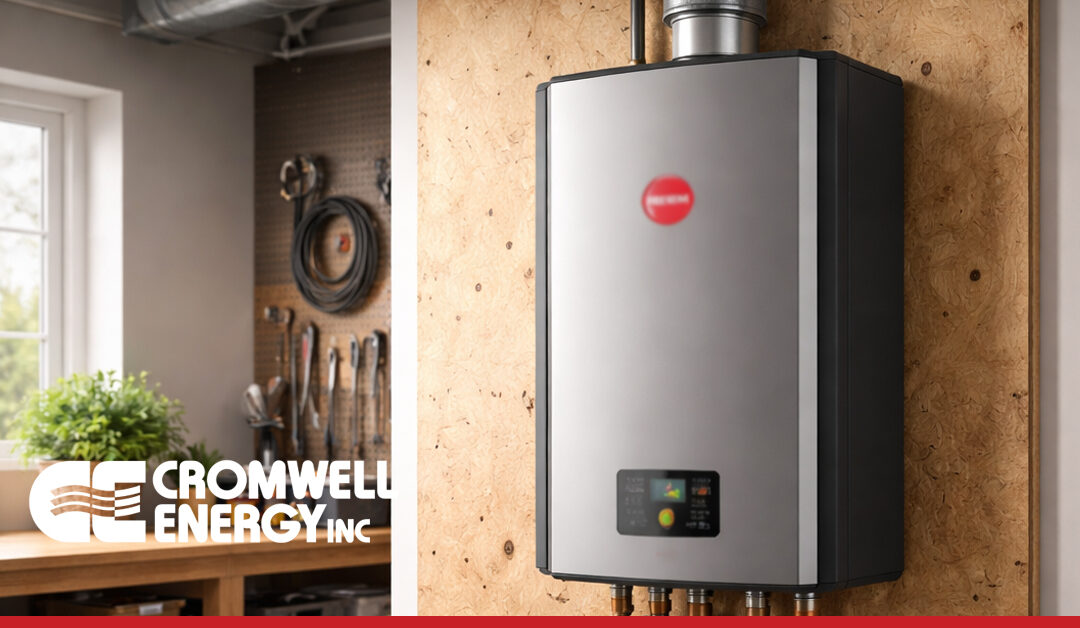
Tankless water heaters are among the latest modern conveniences, providing an efficient and reliable hot water supply. However, traditional tank water heaters are also still a viable option for many homes. Take a closer look at the pros and cons of choosing a tankless water heater for your household.
How Do Tankless Water Heaters Work?
Tankless water heaters perform the same basic task as traditional water heaters. They heat water for your home using either gas burners or electric heating elements. The difference is that tankless water heaters do away with the bulky storage tank used in conventional systems.
The storage tank makes it possible for traditional water heaters to provide a steady supply of hot water even though they can’t actually heat water that quickly. Tankless water heaters incorporate larger burners or heating elements, providing hot water on demand with no need for storage.
Improved Efficiency and Energy Costs
One of the main reasons people choose tankless water heaters is that they reduce energy waste. While traditional water heater tanks are very well insulated, they still lose heat to the environment. The large volume of hot water takes additional energy to maintain its temperature over time.
Tankless water heaters heat up water as it’s needed, so there are not energy losses related to storage. Both gas and electric tankless water heaters are an improvement over their corresponding traditional models. That means you’re spending less money on hot water each month, which can add up to considerable savings.
Reduced energy loss also makes tankless water heaters a better choice for the environment. Sustainable homes are a popular choice these days, so opting to install an environmentally friendly tankless water heater can improve your overall property value.
Flexible Solutions for Any Space
The biggest downside to traditional water heaters is that they require a large storage tank that takes up a lot of space. While older homes were often built with this requirement in mind, the tank still takes up space that you could use for other purposes. Tankless water heaters take up much less space, allowing for flexible installation.
Instead of requiring a dedicated space, tankless water heaters can be incorporated in tight utility rooms, basements, closets, and other areas. Tankless water heaters are also often installed on walls so they don’t take up any floor space at all. You’ll be able to use the space you save for storage or other appliances.
Longevity and Maintenance
When a traditional water heater fails, it’s often related to the tank. A large tank storing hot water is highly susceptible to corrosion. While there are measures in place to help reduce corrosion, the tank will eventually need to be replaced. Sediment accumulating at the bottom of the tank is another common issue.
Tankless water heaters can outlast traditional models as they don’t experience tank corrosion. You’re also less likely to face catastrophic leaks that can happen when a tank breaks. Much of the maintenance required for older models focuses specifically on the tank, so taking care of your new tankless water heater is also easier.
Considering Upfront Costs
When comparing the two options, one of the main cons of tankless water heaters is their higher upfront cost. They are more advanced pieces of equipment that have a much higher power output, and that means more expensive components and installation.
You could also face additional costs to increase your gas or electrical capacity. Electric tankless models require dedicated high-current circuits. The high burner output of gas models could mean upsizing your supply lines to meet demand. Because of these details, individual installation costs can vary significantly.
Flow Rate and Performance
Tankless units provide instantaneous hot water. However, they can only deliver water continuously up to their rated flow capacity. If you’re running multiple faucets and appliances at once, your water heater may not be able to keep up. This depends on the size you choose to install, but larger models also carry higher price tags.
Traditional water heaters avoid this issue by providing significant storage to buffer output. At first, they can deliver as much hot water as your home’s plumbing can handle. However, once the stored hot water is used up, you’ll be left waiting hours for more to heat up.
Take a look at your household’s water use and whether simultaneous use of multiple fixtures or providing a steady flow over a longer period of time is more important. Tankless water heaters ensure your hot water doesn’t run out, but they can only deliver so much at once.
Which Water Heater Is Right for Your Home?
Tankless water heaters can be an excellent choice to enjoy efficient hot water without taking up excessive space in your home. However, you should also carefully weigh these benefits against the upfront cost and instantaneous flow capacity. Talking with a professional water heater installer like Cromwell Energy can help you determine which type best meets your needs.